
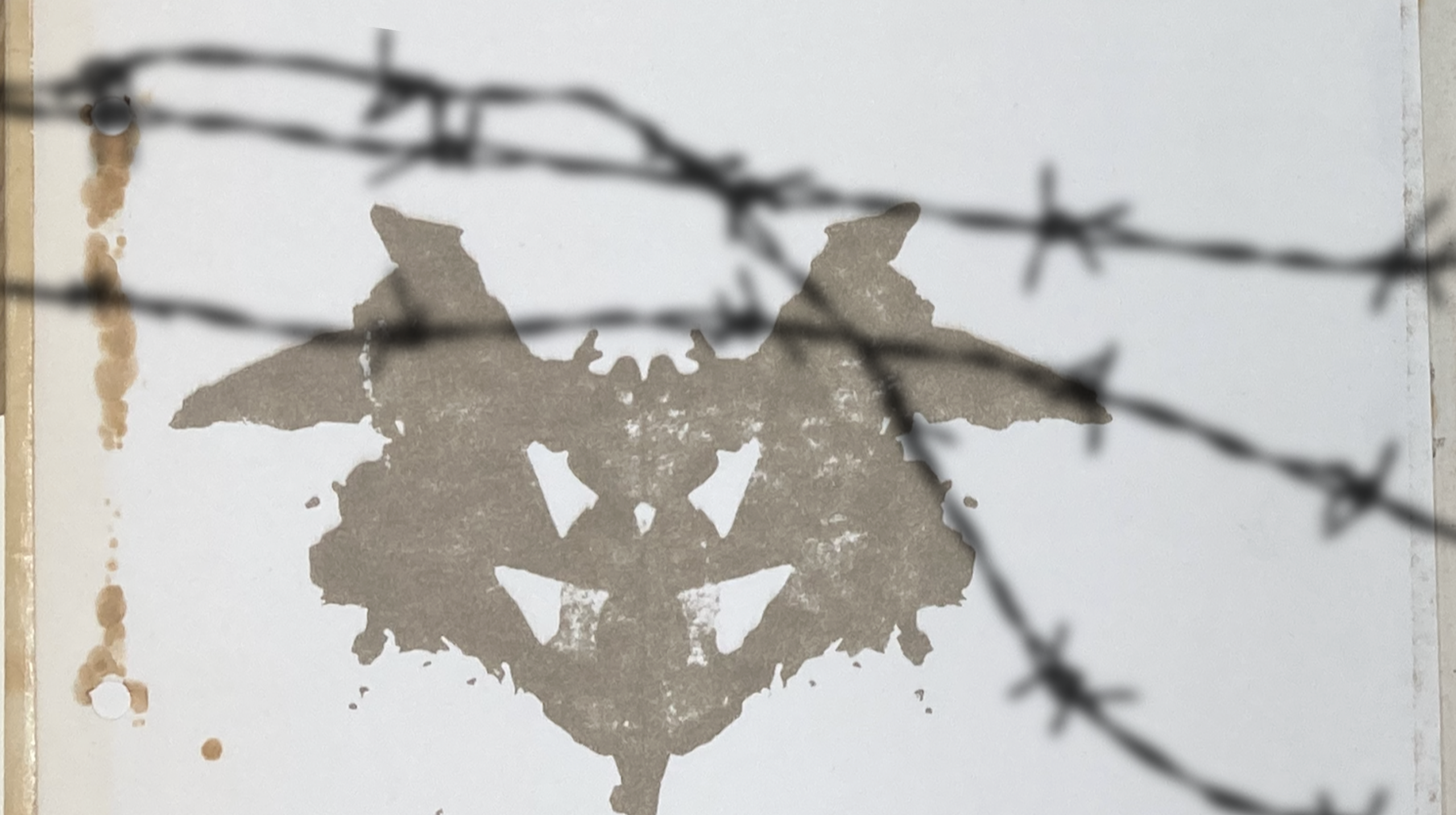
Who cares about people with mental health conditions in times of crisis? When things fall apart, is psychiatric provision an extravagance or essential? How might the extremes of state collapse, ethnic cleansing, and political violence distort some of the taken-for-granted norms of medical practice, such that care might become complicity, abandonment a form of protection, neutrality impossible?
Through its distinctive focus on the global phenomenon of partition – the practice of dividing and redistributing territory, population, and sovereignty – since the First World War, Psypartitions aims to address these questions and more, and to transform how we understand the relationship between politics and mental health during some of the most significant events of the twentieth century.
These episodes of partition have been well studied, with ‘trauma’ often invoked to frame these events and their afterlives. But trauma is not the full story. Psypartitions sheds new light on these pivotal events through a focus on three core themes: the experiences of psychiatric patients and their families; the politicisation of responsibility for their care; and the role played by psychiatric knowledge within conflict.
It asks:
1. How have psychiatric patients, their families, and practitioners experienced and navigated extreme circumstances of uncertainty, violence, and displacement?
2. What responsibilities have states, their would-be successors, and international organisations assumed or shunned in relation to mental health and psychiatric provision?
3. In what ways, and with what consequences, has psychiatric knowledge interacted with political discourse, cultural representation, and public memory in partition contexts?
To produce the first systematic account of the politics of psychiatry in partition contexts in the twentieth century, Psypartitions will focus on three key case studies – the Greek-Turkish population ‘exchange’ of the 1920s; the Partition of India in the 1940s; and the break-up of Yugoslavia in the 1990s – and, sitting over these, the history of international humanitarian interventions into partition contexts across the century.
Mapping out the project’s core themes of responsibility, experience, and knowledge across these different sites and scales will require an ambitious range of research methods and materials: institutional, national, and international archives; scientific, humanitarian, and literary publications; oral historical and ethnographic methodologies, too. Thanks to the generous support of a European Research Council Starting Grant, between 2025 and 2030 Psypartitions will bring together a team of researchers with expertise across these global contexts to undertake original research and drive forward the scholarship on psychiatry, partition, and global history.
Understanding these histories in all their complexity matters, not just for scholarship, but because neither the legacies nor logics of partition thinking have left us today. We still live in a world defined by partitions; a fuller understanding of this history is key to helping us navigate it.
Recent publications by project team
Sandal-Wilson, Chris, ‘Psychiatry in the time of catastrophe: humanitarianism and the politics of psychiatric care during the war for Palestine, 1947-1949’, Bulletin of the History of Medicine (in press, 2026).